2 hours ago
Latest Updates
Featured Posts
Get in Touch
Location:
123 Innovation Street
Tech District, CA 94105
123 Innovation Street
Tech District, CA 94105
Email:
[email protected]
[email protected]
Phone:
+1 (234) 567-890
+1 (234) 567-890
Succulent Kebabs, Fragrant Biryani and So Much More: A Historic Indian City Gains Recognition on the UNESCO Creative Cities List.
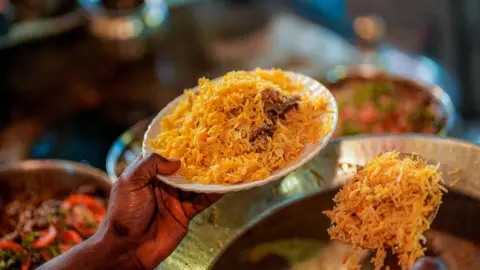
Delectable kebabs, aromatic biryani, and whipped, ethereal desserts.
The historic city in northern India of Lucknow has forever been a food lovers' paradise, with residents and visitors alike swearing by its superb cuisine.
A Global Honor
Recently, Unesco designated it as a City of Gastronomy within its Creative Cities Network – including it in a select group of global cities and sparking hopes that it will spotlight Lucknow's exceptional food. With this designation, it enters a worldwide network of more than four hundred cities across more than 100 countries focused on promoting "innovation as a catalyst of development that sustains urban life".
The honor "stands as proof of its centuries-old gastronomic legacy and dynamic culinary scene," according to a representative from Unesco's regional bureau for South Asia.
Lucknow is just the second Indian city – after Hyderabad, which was picked in 2019 – to earn a spot in this highly sought-after list of seventy urban centers worldwide.
A Metropolis Shaped by Cuisine
The honor for this historic city is no surprise to its inhabitants or dedicated food lovers. Many share the view that it is "a recognition that was delayed".
With the UNESCO accolade, this adored, bustling, and vibrant city – the capital of India's biggest state – is finally in the spotlight for what has perennially defined its soul: an profound passion for food.
"'What will be cooked, the method of preparation' is a ongoing conversation from morning until going to bed in many homes," explains a local cultural expert. "And you are truly evaluated by the quality of food that is produced in your kitchen."
A Royal Culinary Legacy
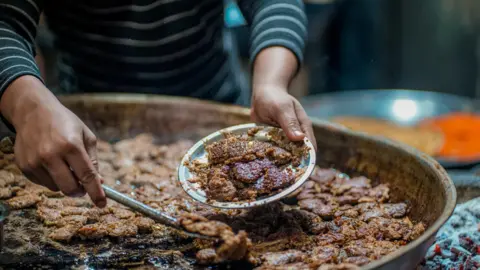
The City of the Nawabs – as it's widely known after its historic opulent Muslim rulers – is renowned for its melt-in-the-mouth kebabs and a unique take on biryani that were conceived, perfected, and taken to sublime levels in their opulent kitchens.
These royal kitchens were epicenters of culinary innovations, merging Persian and native Indian styles to create what became known as the cuisine of Awadh.
It was in this era that Lucknow's renowned kebabs were fashioned. The story goes that the mutton galouti was devised to feed an ageing nawab who had no longer had his teeth. His cooks minced the meat with papaya, kesar, and spices and made it so fine that it required no chewing.
But perhaps the biggest contribution of the cooks of Awadh was the slow-cooking Dum pukht technique, where food is prepared on a gentle, slow heat, with the container's cover securely sealed with a flour paste.
Beyond Kebabs and Biryani
In addition to the famous kebabs and biryani, the culinary masters also created a repertoire of dishes that included kormas (rich curries), sheermal (saffron-infused flatbread), and shahi tukda (a sweet bread pudding).
However, Lucknow is not just about kebabs and biryani – the region is also a vegetarian's paradise.
The local traditionally vegetarian community's cuisine not only highlights fresh harvests but also offers the city its highly curated Indian desserts, sweets, and unique street food, like chaat – zesty fried snacks.
Hidden Gems and Legacy Eateries
Almost on many street corners, there are little shops and kiosks – hidden treasures that are wildly popular with the locals.
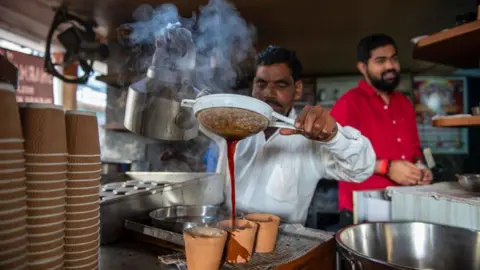
In the city center of Hazratganj, huge crowds start milling around from early morning at a renowned tea stall to get a steaming cup of milky masala chai, offered in earthenware cups, along with pillowy soft buns slathered with freshly churned white butter.
For breakfast, one can make their way to a unpretentious joint located in the historic quarter of Aminabad. Nearly 150 years after it was founded, the place is still highly popular for its hot kachoris (fried bread stuffed with lentils) and jalebis (crispy, syrup-soaked sweets).
Ensuring Legacy Continues
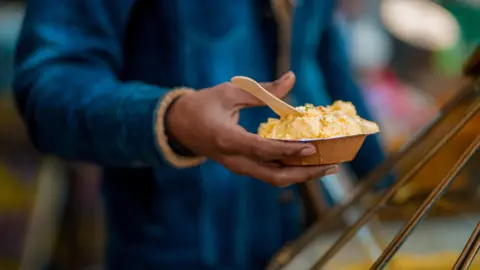
The city also presents special seasonal delights, such as makkhan malai, a frothy dessert found in the winter. The technique of making it is scientific and demanding. The cook beats the milk and then exposes it at night, allowing the dew to give it its incredible light consistency.
On crisp mornings, street vendors can be seen in old city areas like Aminabad and Chowk. Some however say that their children are unwilling to take up the skill.
A renowned chef from Lucknow has often said that the city's profound food legacy positions it among the best of the Indian street food experience. The real value from the UNESCO recognition, it is believed, will be realized only if Lucknow can now build recognition about its hidden eateries.
Every dish in Lucknow comes with a history – influenced by family-run food businesses, from humble street carts to bustling restaurants, and secret family recipes.
The global recognition, it is believed, will motivate more people around the world to discover these tales and experience the city to delight in the culinary delights of Lucknow.

 News
News
Sponsored News
News
Reason of Child Sex Offender Singer's Prison Demise Disclosed
Angela Cuevas
03 Oct 2026
News
Colombian President Declares 'I Will Resort to Weapons Again' if United States Launches an Attack.
Angela Cuevas
03 Oct 2026
News
Prime Television Choices: 7 Must-Watch Movies This Week
Angela Cuevas
03 Oct 2026
News
Underwhelming Buatsi Defeats Zach Parker in Manchester Fight
Angela Cuevas
03 Oct 2026
News
'We are a family unit here': Habib Diarra delights in positive vibes at the Black Cats.
Angela Cuevas
03 Oct 2026
News
Fraudsters' Counterfeit Products 'May Lead to Serious Damage'
Angela Cuevas
02 Oct 2026